

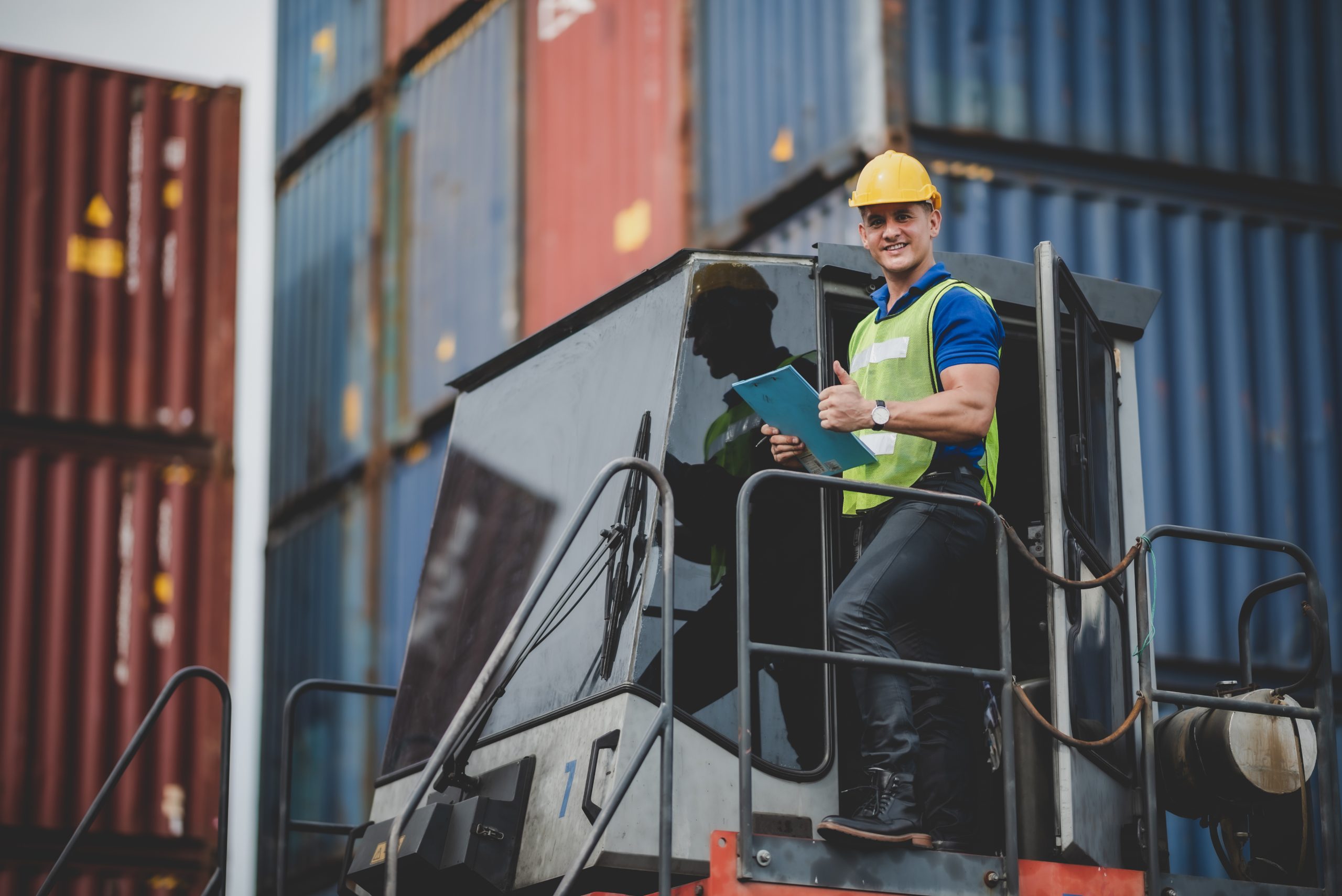
The Future of International Logistics: Faster, Smarter, and More Connected
International logistics plays a crucial role in modern global trade. Every day, millions of goods travel across borders, connecting manufacturers, businesses, and consumers around the world. From warehousing and freight forwarding to last-mile delivery, efficient logistics systems ensure that products reach their destination safely and on time.
As global commerce continues to expand, logistics companies are constantly improving their operations through technology, optimized transport networks, and smarter supply chain management.
The Importance of Reliable Transport Solutions
Transport is the backbone of international shipping. Whether goods move by road, sea, rail, or air, each mode of transport has its advantages depending on speed, cost, and cargo type.
Road transport remains one of the most flexible solutions for European logistics, allowing companies to deliver goods directly between cities and warehouses. Air freight is often chosen for urgent shipments where speed is critical, while sea freight provides cost-effective transport for large volumes of cargo.
By combining different transport methods, logistics providers can create efficient multimodal solutions that balance speed and cost for their customers.
Warehousing: The Heart of Modern Logistics
Warehousing is more than just storing goods. Modern warehouses act as strategic hubs where shipments are received, organized, and prepared for distribution.
Advanced warehouse management systems allow logistics companies to track inventory in real time, optimize storage space, and improve order fulfillment speed. Efficient warehousing reduces delays, improves supply chain visibility, and helps businesses keep products available for their customers.
With the growth of e-commerce, warehousing has become even more important. Companies now rely on strategically located distribution centers to shorten delivery times and reduce transport costs.
Technology Driving Logistics Innovation
Technology continues to transform the logistics industry. Real-time tracking systems allow customers to monitor their shipments throughout the entire journey. Automated warehouses, route optimization software, and digital freight platforms help logistics companies operate more efficiently than ever before.
Data analytics also plays a key role in predicting demand, improving delivery planning, and reducing operational costs. As logistics networks become more digital, companies can respond faster to market changes and customer needs.
Building a Strong Global Supply Chain
Successful international logistics requires coordination between multiple partners including carriers, customs authorities, warehouse operators, and distribution centers. A reliable logistics partner ensures that goods move smoothly across borders while complying with regulations and maintaining delivery schedules.
With the right combination of transport expertise, advanced warehousing solutions, and modern technology, logistics companies can provide secure and efficient shipping services across Europe and worldwide.